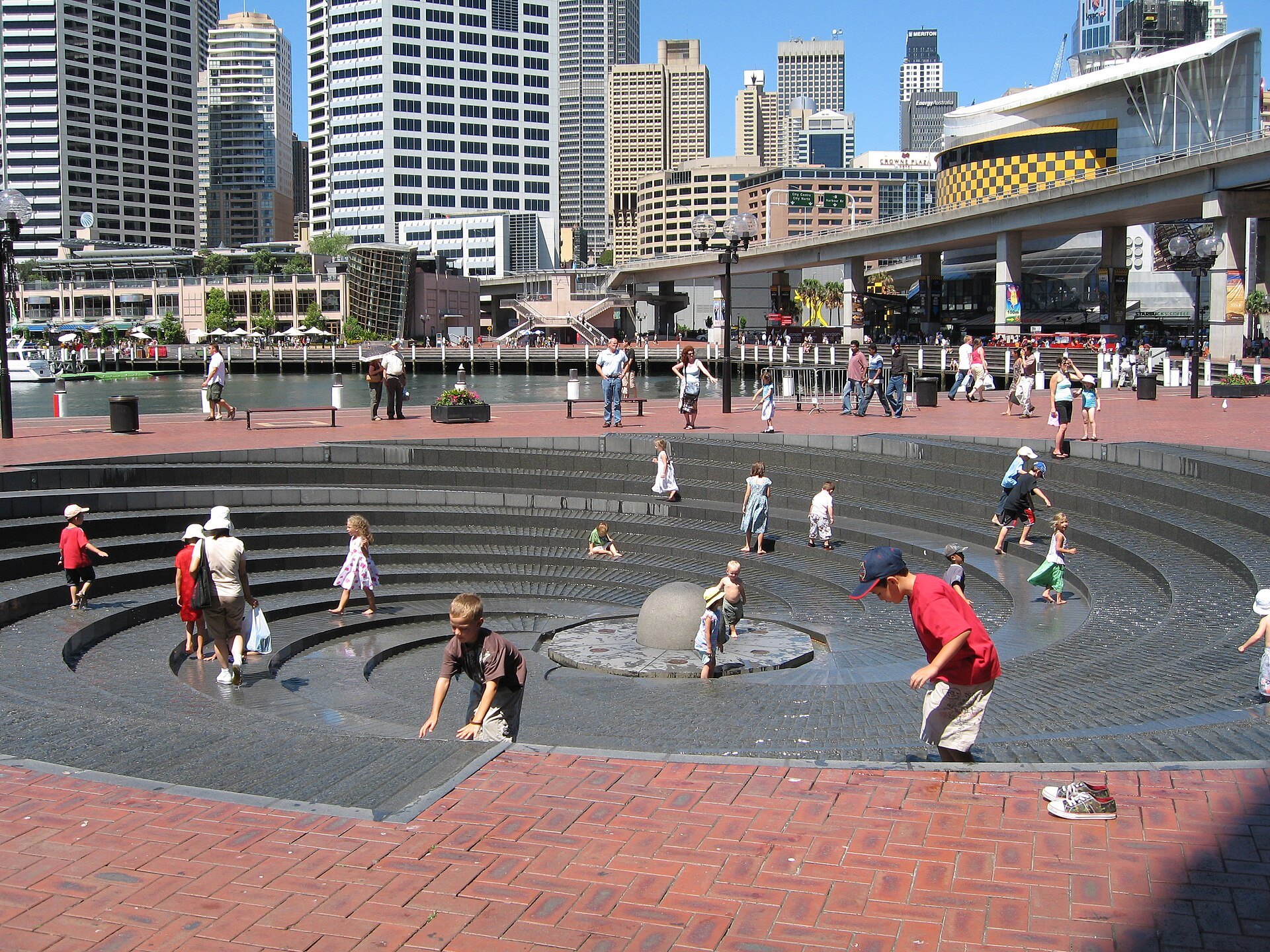
Photograph by Photograph by Greg O'Beirne, Wikimedia Commons, CC BY 2.5
Cards work everywhere, including the fare gate
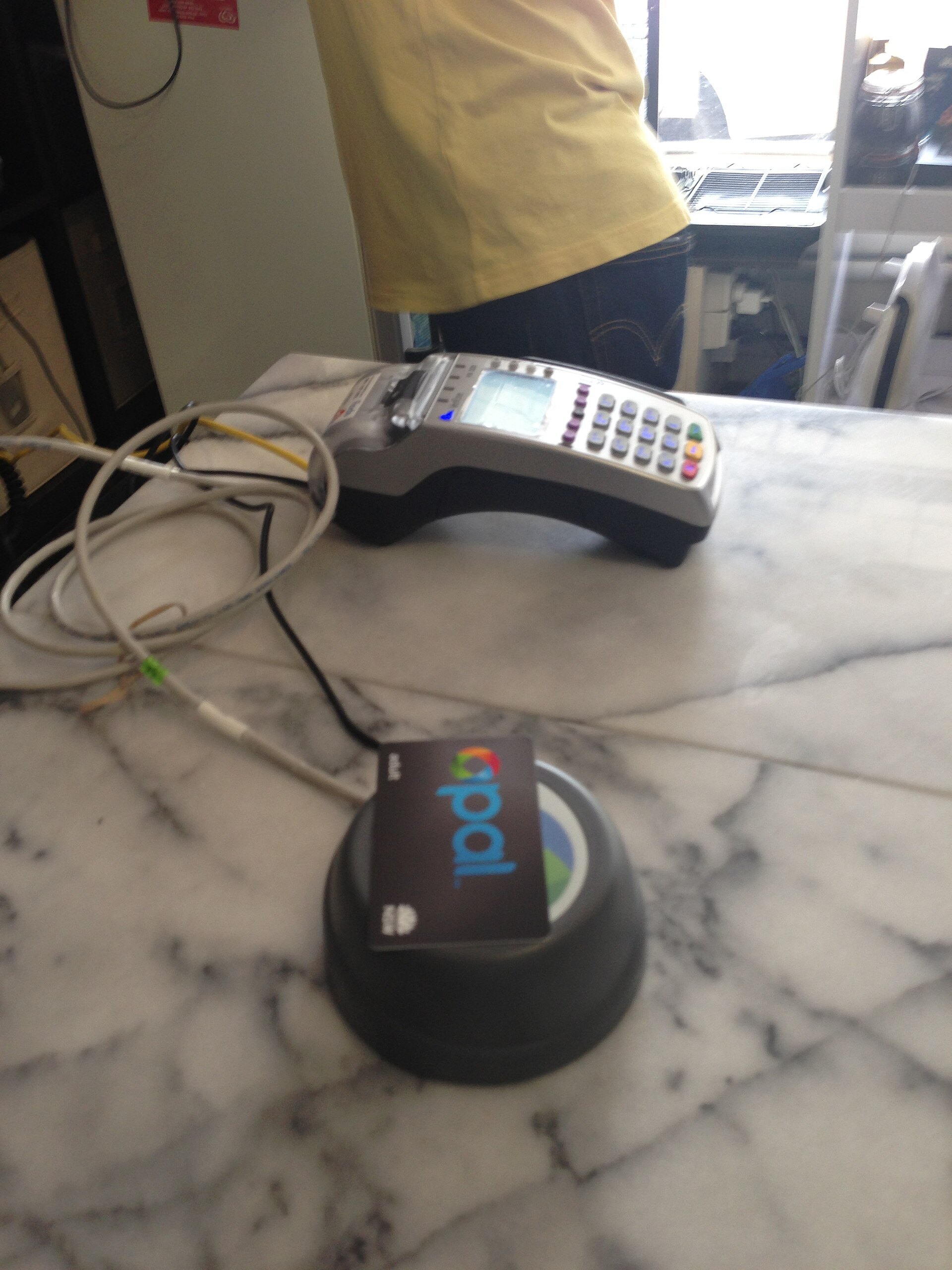
Australia is close to cashless. A contactless card or phone pays for coffee, a bus, a beer and a
museum ticket, and the same tap that pays for your coffee pays for the train. You can spend a week
here without taking out cash, and many people do.
⚠️ Some small cafés and market stalls apply a card surcharge, which must be displayed. ATMs are
common; the ones inside bank branches charge less than the ones in pubs and convenience stores.
Australian goods and services tax is included in every displayed price. The
number on the menu, on the shelf and on the ticket is the number you pay. After the United States
this takes a day to get used to and is then a relief.
Tipping is not expected here. Hospitality staff are paid an award wage that
does not assume gratuities, and nobody will chase you down the street. Rounding up, leaving the
coins, or ten per cent after a very good dinner are all normal and welcome; nothing is owed.
⚠️ What you will see is a surcharge on Sundays and public holidays,
usually ten or fifteen per cent, printed at the bottom of the menu. That is not a tip and it is not
optional — it covers penalty rates for staff working those days, and it is applied
automatically. Read the bottom of the menu before you order on a Sunday.
The everyday numbers, without the numbers
This site does not quote prices, because they move. What is useful is the shape: coffee and a
counter lunch are cheap by London or New York standards; alcohol and cigarettes are expensive by
any standard, because both are heavily taxed; and public transport is inexpensive and capped. See
Getting Around for the caps.
Language
English, at speed, with the vowels moved and the endings shortened. A few that catch people out:
arvo afternoon, servo petrol station, bottle-o
off-licence, doona duvet, thongs flip-flops, the
CBD the city centre, and how are you going? which is a greeting, not a
question about transport.
Sydney runs on tap-and-go. A contactless bank card or a phone wallet works at almost every till. It works on every bus, train and ferry too, and in most cafes and shops. Cash still matters in five specific situations — old parking meters, some markets, laundromats, tip jars, and surcharge-heavy bills — so carry some … Read more
Because Australian law requires it. The Goods and Services Tax, or GST, is folded into almost every retail price before it reaches a shelf, a menu or a checkout screen. What a shopper sees is what a shopper pays — for ordinary retail sales, at least. Several categories work differently, and a visitor to Sydney … Read more
No. Tipping is not how Australia pays for service, and nobody expects it here. Wages in hospitality are set by law, including extra loadings for nights, weekends and public holidays. A card reader might prompt you to add a tip; you are free to decline. Rounding up is a courtesy, not an obligation. Why the … Read more
It is a fixed charge added to hospitality bills on Sundays and public holidays, disclosed on the menu, and used to cover the higher wages the law requires on those days. It is not a gratuity. It is not optional if the venue disclosed it properly. And it should never go to a waiter directly, … Read more


,_The_Rocks,_Museums_%26_Galleries_of_NSW_--_2019_--_3561.jpg)
