Eleven things in Sydney genuinely cost nothing. They include two state collections, a harbor-side botanic garden and a bridge footpath. Also on the list: an opera house forecourt, a run of ocean beaches, a coastal walk and a city walking tour. The view from a harbor ferry deck counts too, even though the ferry itself is not free. Almost every one of these sits next to a paid version of the same thing. The Art Gallery of New South Wales costs nothing to enter; its touring exhibitions do not. The Harbor Bridge is free to walk across; the lookout built into its pylon charges admission. This article lists all eleven, and names the specific catch in each.
The quick version
| # | What costs nothing | The catch |
|---|---|---|
| 1 | Art Gallery of New South Wales, permanent collection | Touring and blockbuster exhibitions are ticketed |
| 2 | Australian Museum, permanent galleries | Major touring exhibitions are ticketed separately |
| 3 | Royal Botanic Garden Sydney | The Calyx and some ticketed events inside charge admission |
| 4 | Opera House forecourt and steps | Performances, the building tour and the shop are not included |
| 5 | Harbor Bridge pedestrian footpath | Pylon Lookout and BridgeClimb are separate paid products |
| 6 | Bondi to Coogee coastal walk | Reaching Bondi takes a bus or a change at Bondi Junction |
| 7 | Ocean beaches and most rock pools | A handful of pools are privately run and charge admission |
| 8 | “Free” walking tours of the CBD and The Rocks | A cash tip at the end is the business model |
| 9 | The harbor view from a ferry deck | The ferry isn’t free; fast Manly services aren’t on Opal |
| 10 | State Library of NSW, reading rooms and permanent displays | Some touring exhibitions carry a separate ticket |
| 11 | The harbor view from Mrs Macquarie’s Point | Commercial cruises sell the same view, at a markup |
The eleven, in detail
1. The Art Gallery of New South Wales
The Art Gallery of New South Wales holds its permanent collection free for everyone, every day it is open. That includes the Australian and First Nations collections and the international galleries. Ticketed exhibitions sit inside the same building, often sharing a floor with free rooms. The gallery’s own site lists which shows carry a charge. Check before arriving — the split changes with each program. That’s the catch.
2. The Australian Museum
The Australian Museum, Australia’s oldest, does not charge for its permanent galleries. Natural history, First Nations collections and the dinosaur gallery are all included. Blockbuster touring exhibitions — a major Egypt or ocean show, for instance — are ticketed separately. The museum publishes current pricing and member rates on its own site.
3. The Royal Botanic Garden Sydney
The Royal Botanic Garden Sydney sits on land that was the colony’s first farm, worked by Gadigal people long before that. Entry to the garden itself has never been ticketed. The Calyx, its indoor botanical display, and some ticketed events inside the grounds are the exceptions. The garden’s own site lists what currently carries a fee.
4. The Opera House forecourt and steps
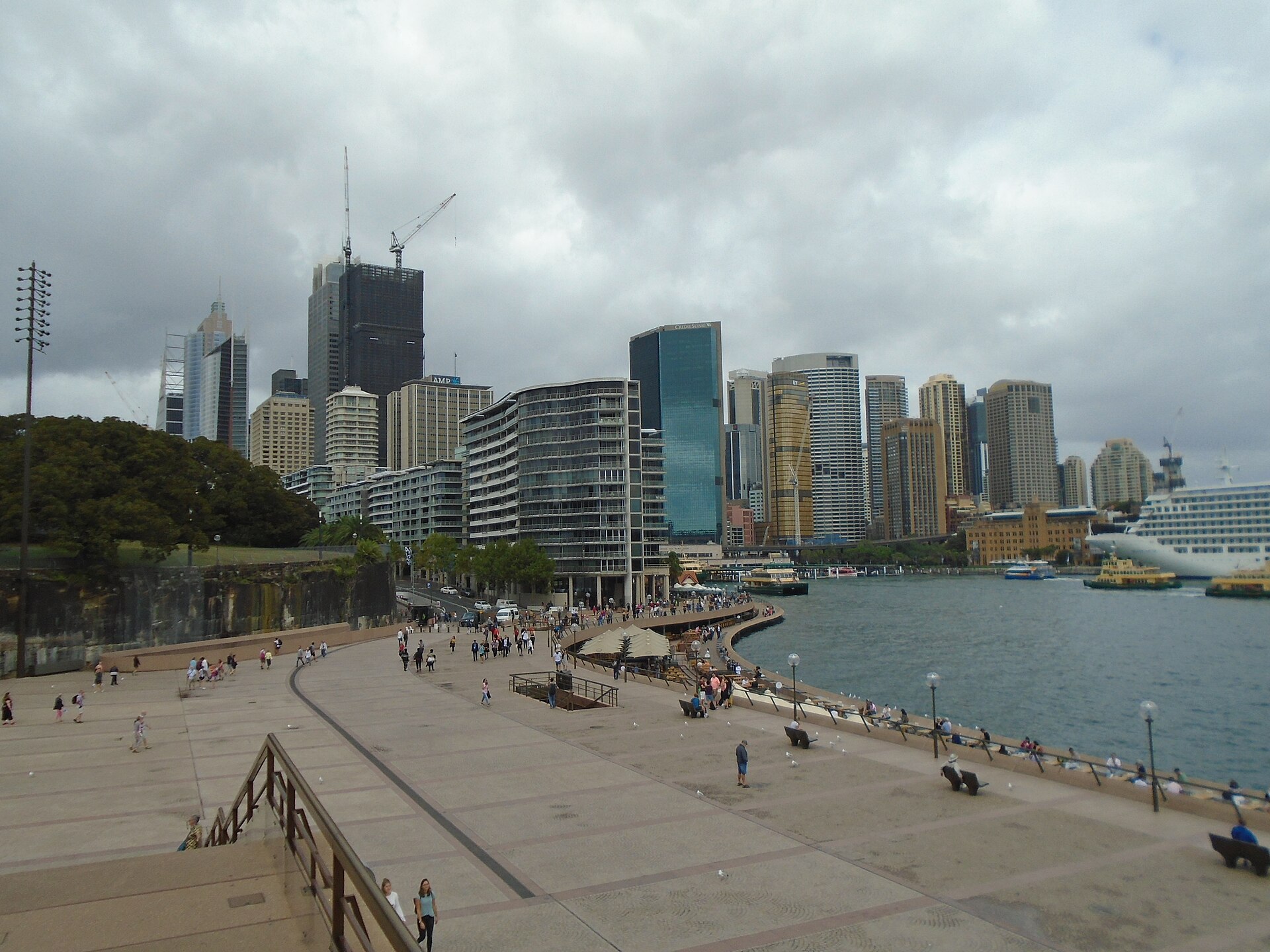
The forecourt and the famous steps are public space, open at all hours, free to everyone. Standing there to look at the sails costs nothing. A performance inside, a guided tour of the building, or the gift shop’s wares are a different budget line entirely. The Opera House’s own box office carries current pricing for both.
5. The Harbor Bridge footpath
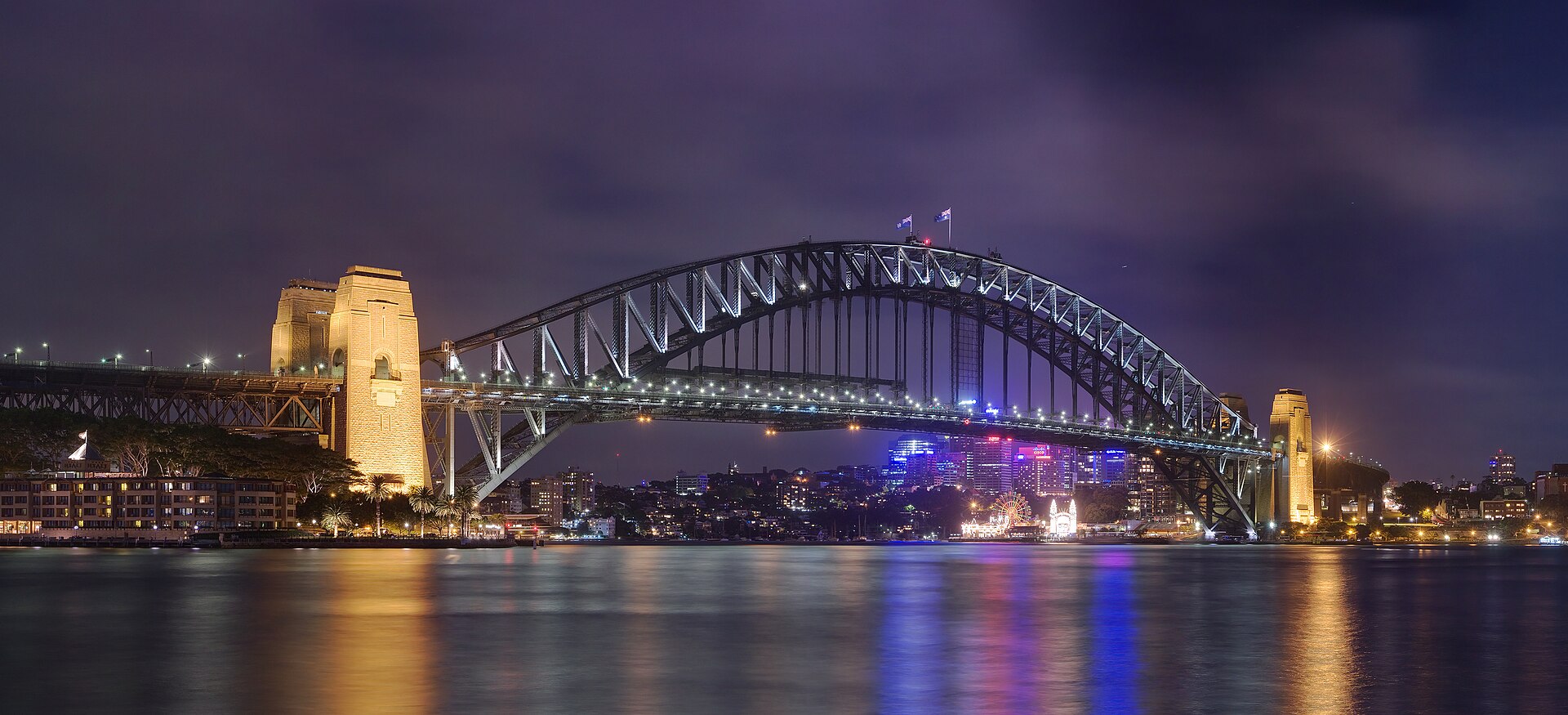
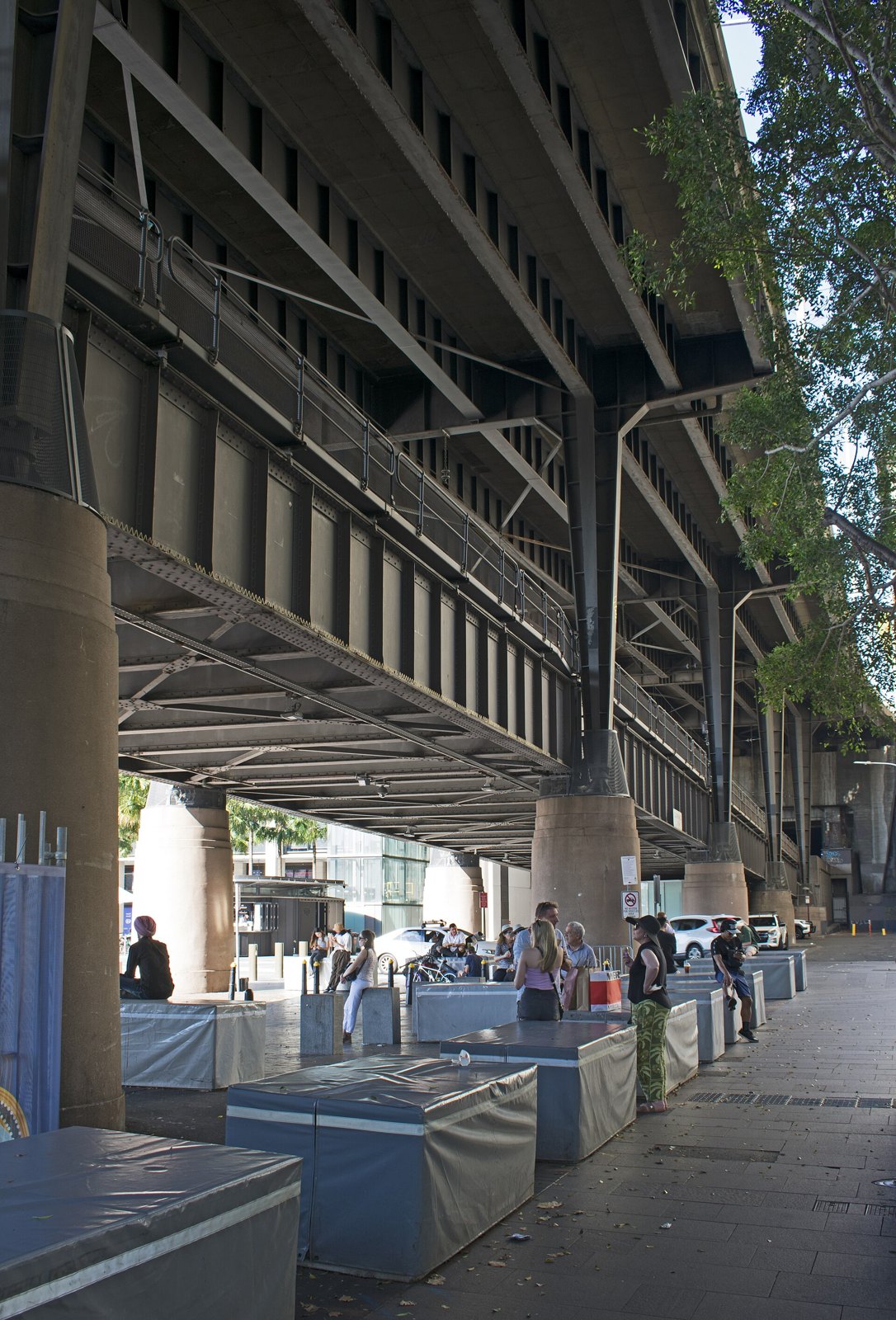
The Bridge opened in 1932 with a dedicated footpath and cycleway that have never charged a toll. Walking across to Milsons Point and back costs nothing but time. The Pylon Lookout, built into the bridge’s southeast pylon, charges admission. BridgeClimb, the guided walk up the arch, is a separate paid product again. The free footpath and the paid lookout sit a few meters apart. That’s the catch, in brief.

6. The Bondi to Coogee coastal walk
The walk itself, roughly six kilometres of clifftop path linking ocean beaches, charges nothing and has no gate. The catch is reaching Bondi, which has no railway station of its own. Getting there means a bus, or a change at Bondi Junction station. Each leg runs on an ordinary Opal fare — our guide to getting to Bondi Beach covers the options.
7. Beaches and ocean pools
Sydney’s ocean beaches charge no entry fee and never have. Many of the harbourside and oceanside rock pools built into the coastline are free too — council-run, unstaffed outside patrol hours. A handful, including a well-known pool at Bondi’s southern end, are run by private swimming clubs and charge a small admission. Swim between the red and yellow flags where they are flown. They mark the water the surf lifesavers are watching, and they shift during the day as rips move. A rip runs out to sea; the advice is to raise an arm and float, not swim against it. Surf Life Saving Australia explains what the flags and signage mean, and so does the note that Australian UV is sharper than a European summer.
8. “Free” walking tours
Several companies run tours advertised as free through the city center and The Rocks. The Rocks is the harbourside area where the first convict camp stood. Booking costs nothing and no ticket changes hands. The business model is a cash tip at the end. Operators are explicit that guides work for gratuities rather than a wage. Industry convention, as several operators describe it themselves, is a cash tip of somewhere between ten and twenty dollars per person. Our guide to tipping in Australia explains how that convention differs from restaurant tipping. That’s the catch.
9. The harbor view from a ferry deck
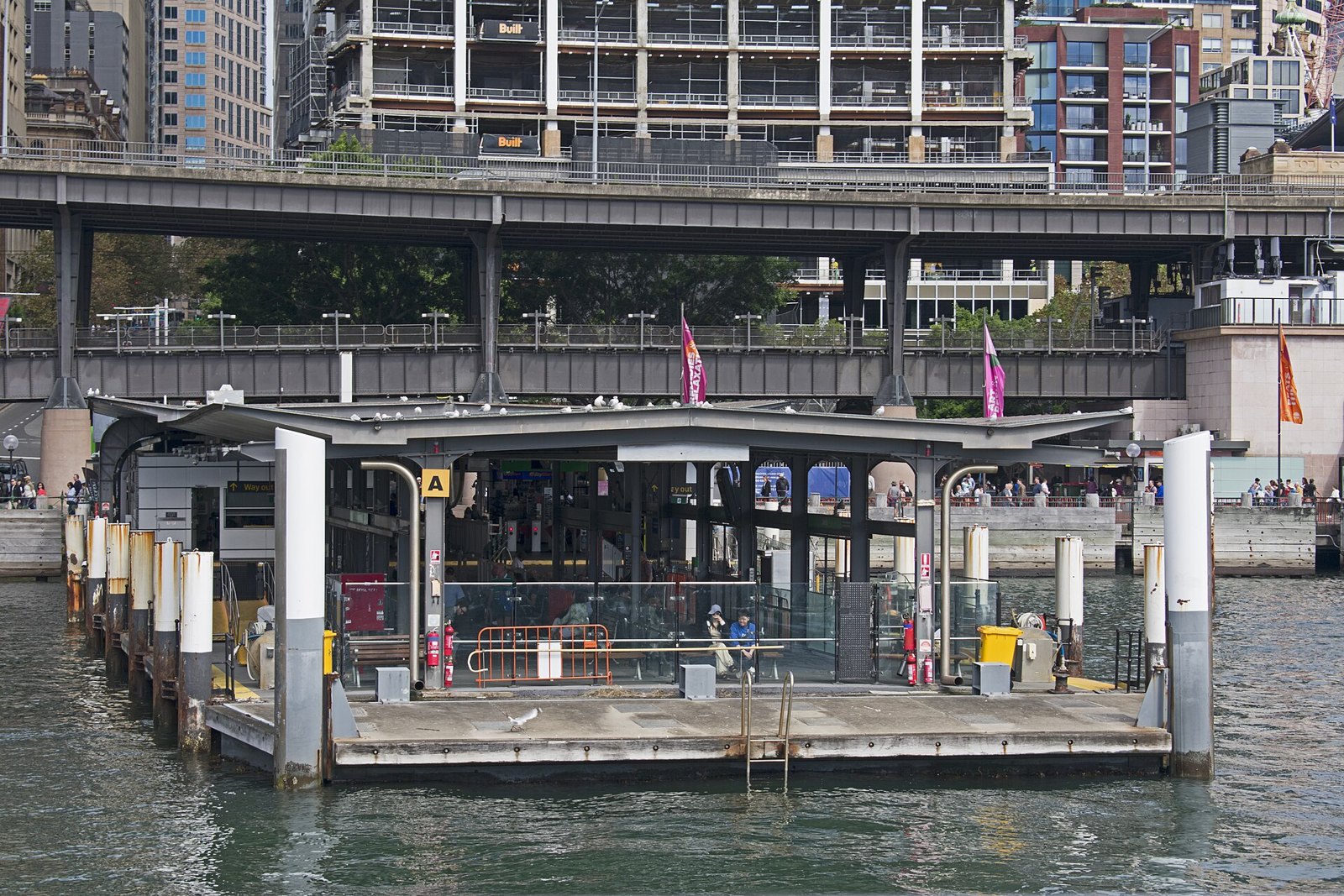
The Manly ferry and the other harbor routes run on an ordinary Opal fare. It’s the same fare used for a bus trip through the suburbs, calculated by distance and capped by the day, the week and separately on Sundays — the mechanics are in our guide to how those caps work. A contactless bank card taps on at the gate exactly like an Opal card and earns the same caps, provided the same card is tapped off at the other end. Fast ferry services on the Manly run, operated privately rather than by the state network, sit outside that system and are not covered by either card. The Manly ferry is not a cruise. It is scheduled transport, and the view happens to be free. Transport for NSW publishes the fare tables; see Transport for NSW.
10. The State Library of NSW
The State Library of New South Wales does not charge to enter, browse its reading rooms, or see its permanent displays. That includes the Mitchell Library’s historical maps and manuscripts. Touring and special exhibitions, staged in dedicated gallery spaces, sometimes carry a separate ticket. The library lists current exhibitions and any charge on its own site.
11. The harbor view from Mrs Macquarie’s Point
The angle used in almost every postcard of the Bridge and the Opera House together is shot from one place. It’s a strip of public parkland on the eastern edge of the Royal Botanic Garden. It costs nothing to stand there, at any hour the park gates are open. Commercial harbor cruises sell a version of the same view from the water, often at a considerable markup. A ferry ticket, already in most visitors’ pockets, crosses the same harbor for an ordinary fare. That’s the whole point.
The pattern underneath all eleven
None of this is a complaint. A city where eleven significant things cost nothing, and the ferry costs an ordinary bus fare, is unusual by any measure. The pattern worth remembering is the one repeated above: the base experience is free or cheap, and whatever is sold alongside it is the paid product. For how the transport side of that works day to day, see the Getting Around section. For tipping, surcharges and what a displayed price already includes, see Money & Tipping.




Access Sydney is an independent guide written from published, checkable sources. We have not visited the places described here and we do not publish personal recommendations or invented ‘local favorites’ — where something is singled out as notable, we say who says so. Opening times, fares, closures and prices change at short notice, so treat everything here as a starting point and confirm with the museum, operator or venue directly before building a day around it. We give no advice on visas, insurance, health or safety; use your own government’s official guidance for those.