_(9442710172).jpg)
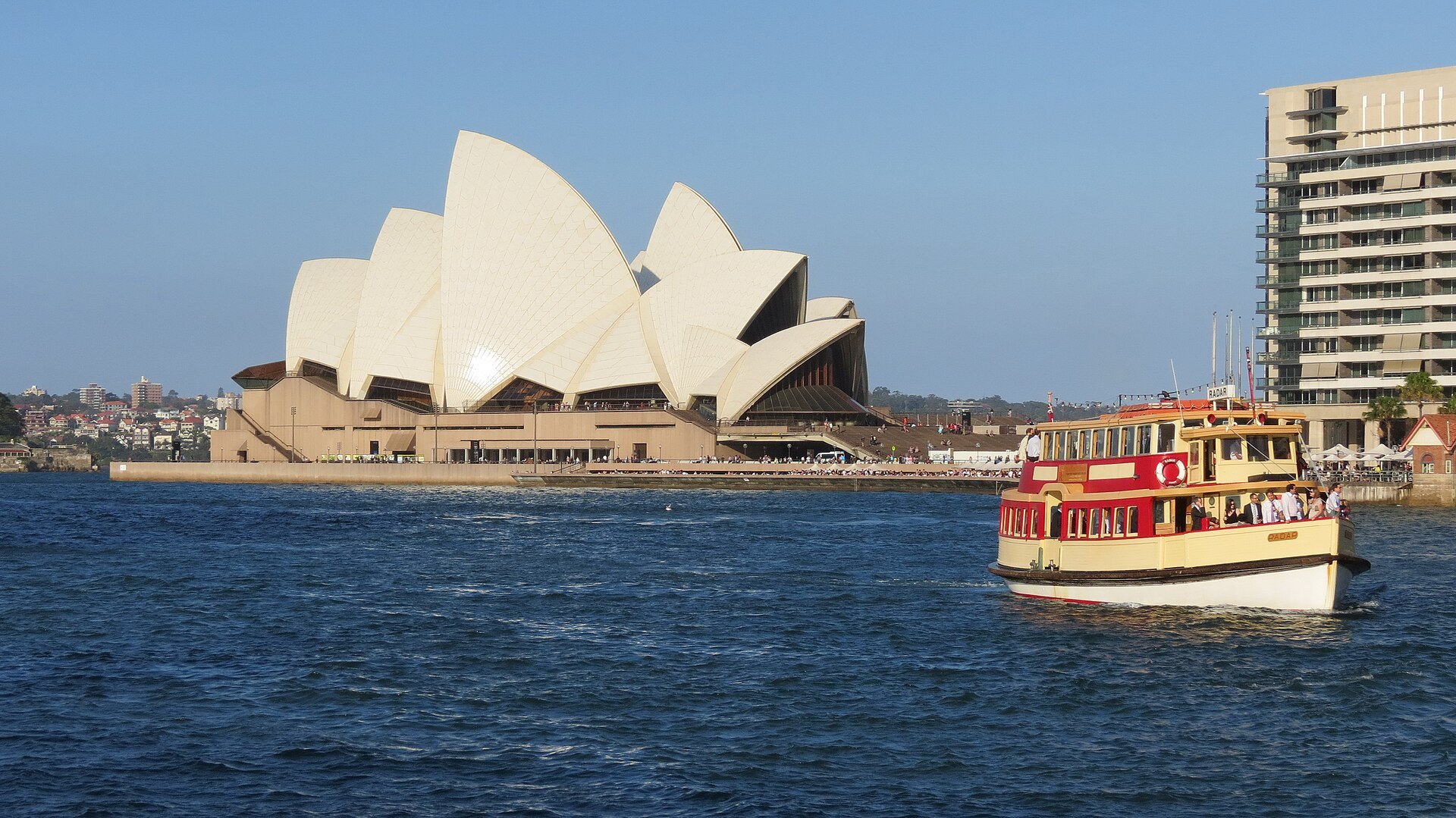
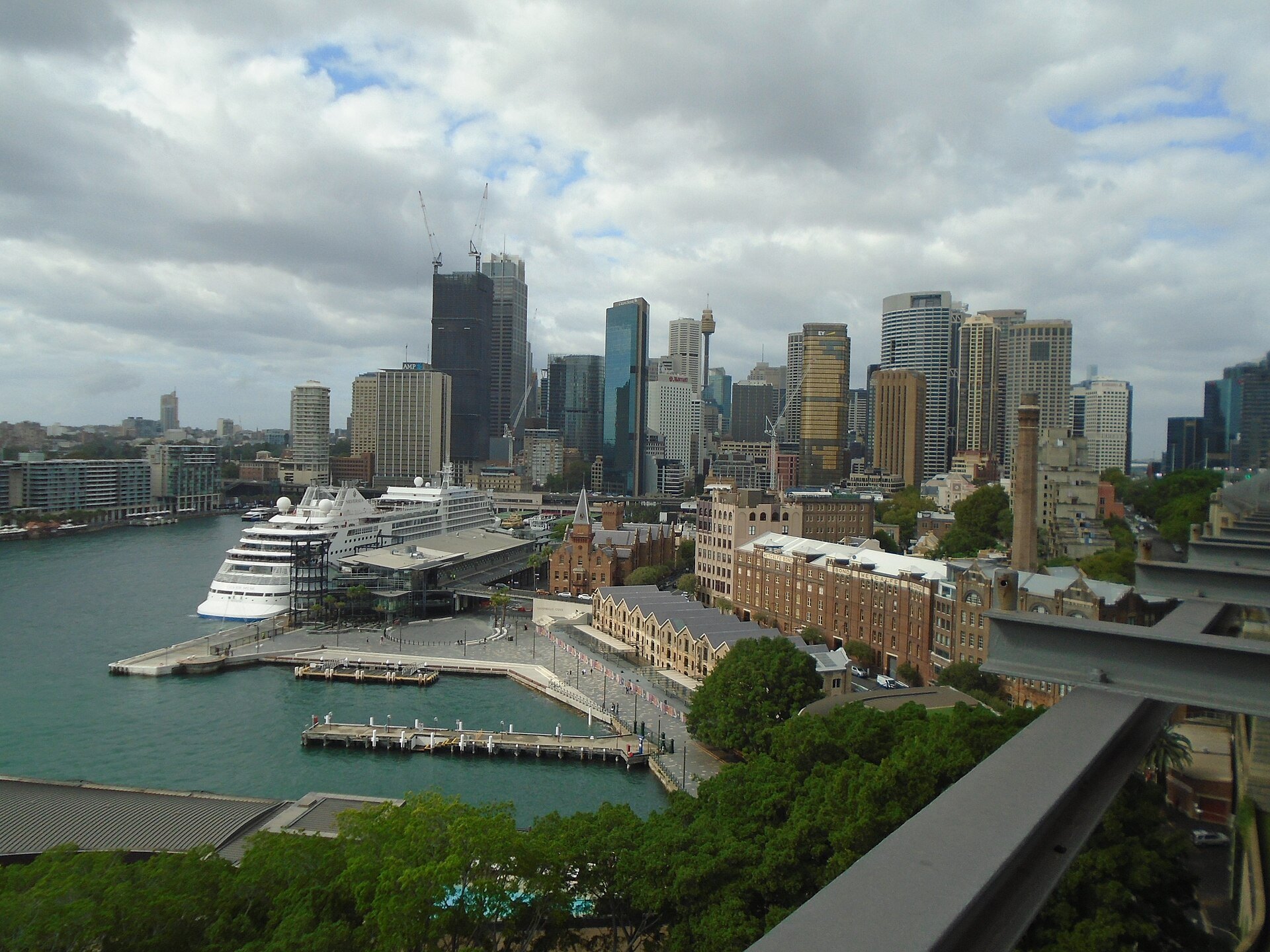
Sydney is built around a drowned river valley, which is why the water goes so far inland and why the city has so much coastline for its size. Circular Quay is where that geography becomes a timetable: five ferry wharves in a row, a train station above them, and the Opera House on one side and the Harbour Bridge on the other.
This is Warrane, the cove where the British landed in 1788, and Gadigal country long before that. It is also the single most useful piece of infrastructure for a visitor, because almost everything worth seeing on the water leaves from it.
What it costs
⭐ Free to stand on, walk along and look at. The quay is public pavement and it does not close.
What costs is a ferry fare, and it is an ordinary one. ⛔ The harbour cruises sold from kiosks along the quay show you the same water for many times the price.
When to go
⭐ Early morning, before the tour groups, when the light is on the Opera House rather than behind it and the commuter ferries are running at their busiest. The quay at eight on a weekday is a working transport interchange, which is more interesting than the postcard.

Getting there
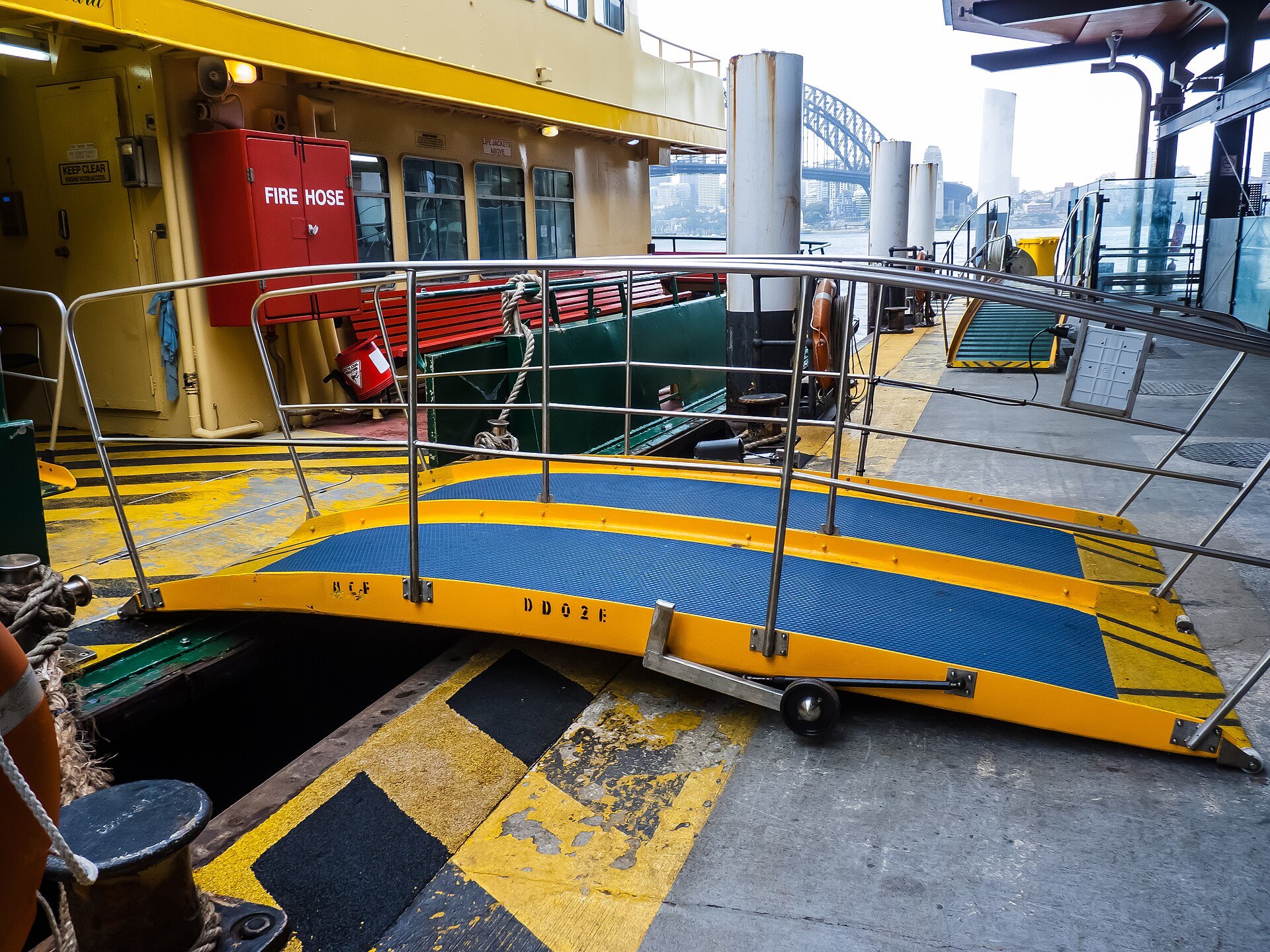
Circular Quay station is on almost every train line, and every ferry route starts here. From the Rocks it is a two-minute walk; from the Opera House, five.
⭐ Tap on and tap off. Fares here are distance-based, so failing to tap off charges you the maximum for the line. A contactless credit or debit card works at the gate exactly like an Opal card and earns the same caps, so most visitors never buy a card at all — ⚠️ but use the same card every time, because the caps are counted per card. There is a daily cap, a weekly cap, and a much lower cap on Sundays, after which the whole network is one fare. See Getting Around.

If you only have an hour
Walk from the Opera House forecourt, along the quay past the wharves, and on under the bridge to Dawes Point. Twenty-five minutes, entirely free, and it takes in both of the things everybody comes here for.
What people get wrong
⚠️ People pay for a cruise and then discover the ferry. The F1 to Manly is a thirty-minute crossing of the open harbour on an ordinary fare. If you want a boat on this water, take that first and decide afterwards whether you still want a cruise.
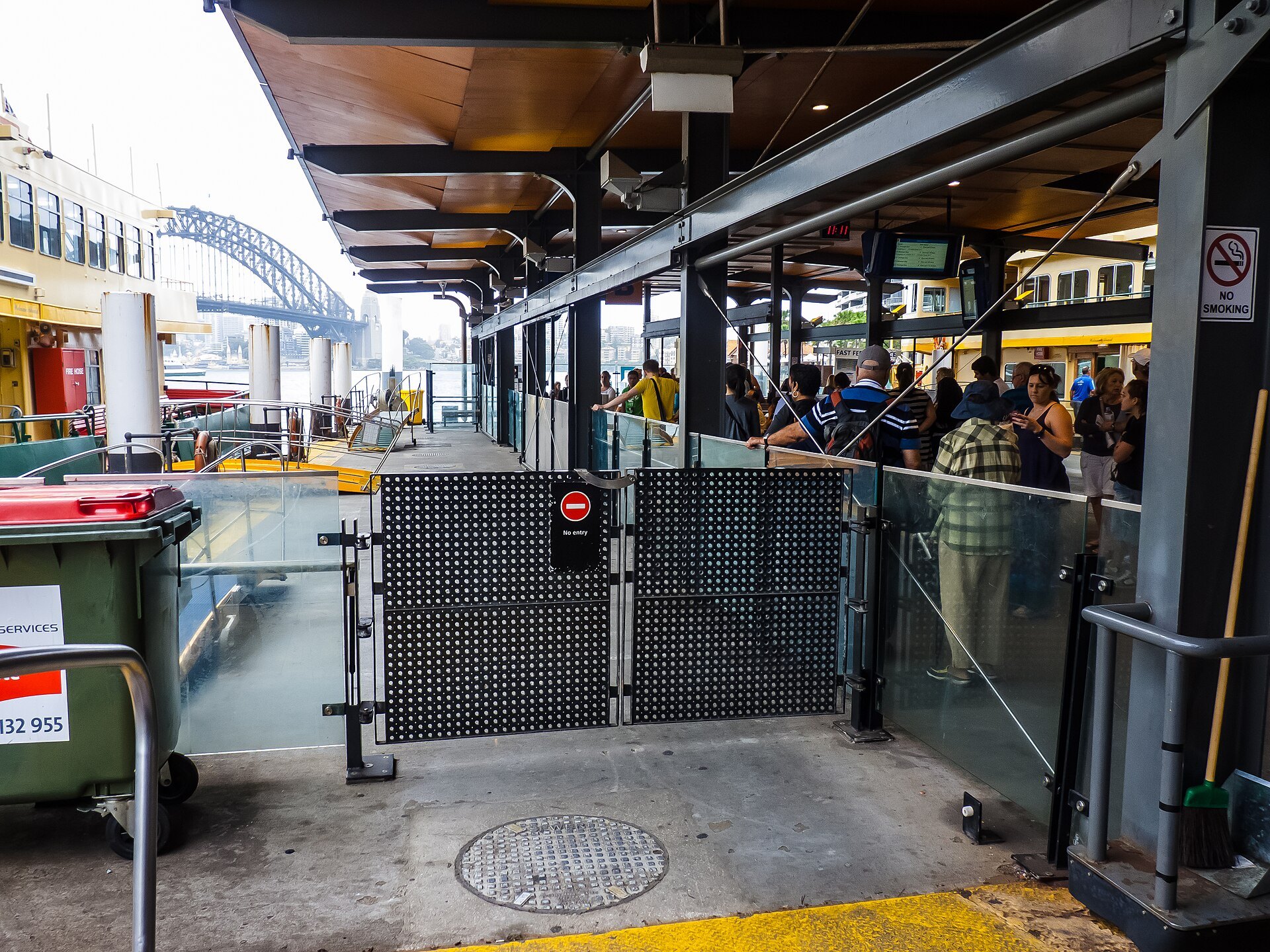
⭐ The ferry is public transport, not a cruise. It runs on the same Opal fare as a bus, it counts towards the same daily cap, and it crosses the same water the harbour cruises charge many times as much to show you. ⚠️ Some fast ferries to Manly are privately operated and are not on Opal — check the operator on the wharf before you tap.

Nearby
Admissions, closing days, fares and caps as published and checked on 7 September 2026. These change — the Opal caps are adjusted most years — so confirm anything you are relying on before you travel. More sights, and how they fit together, in Landmarks & Sights.