.jpg)
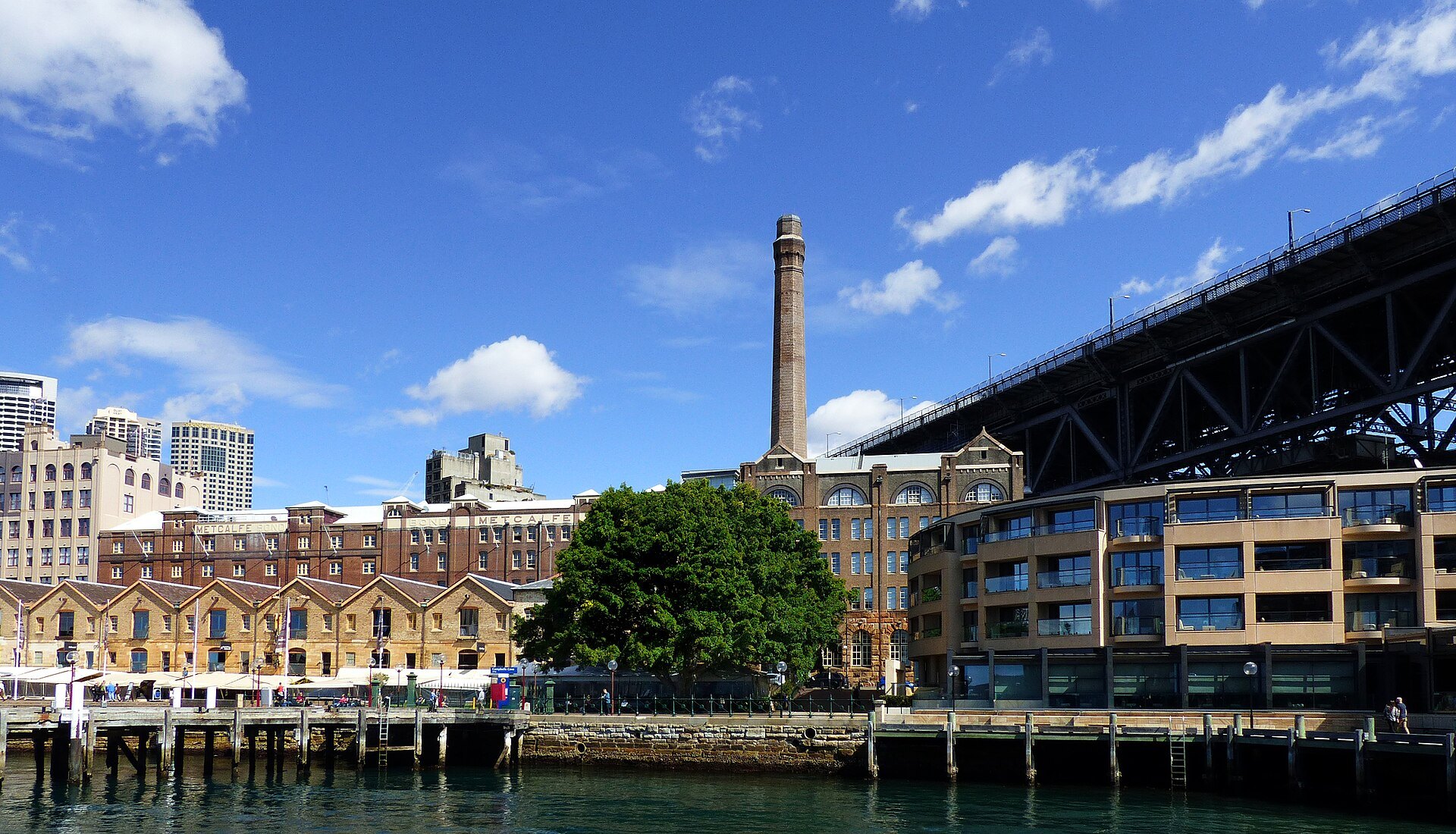
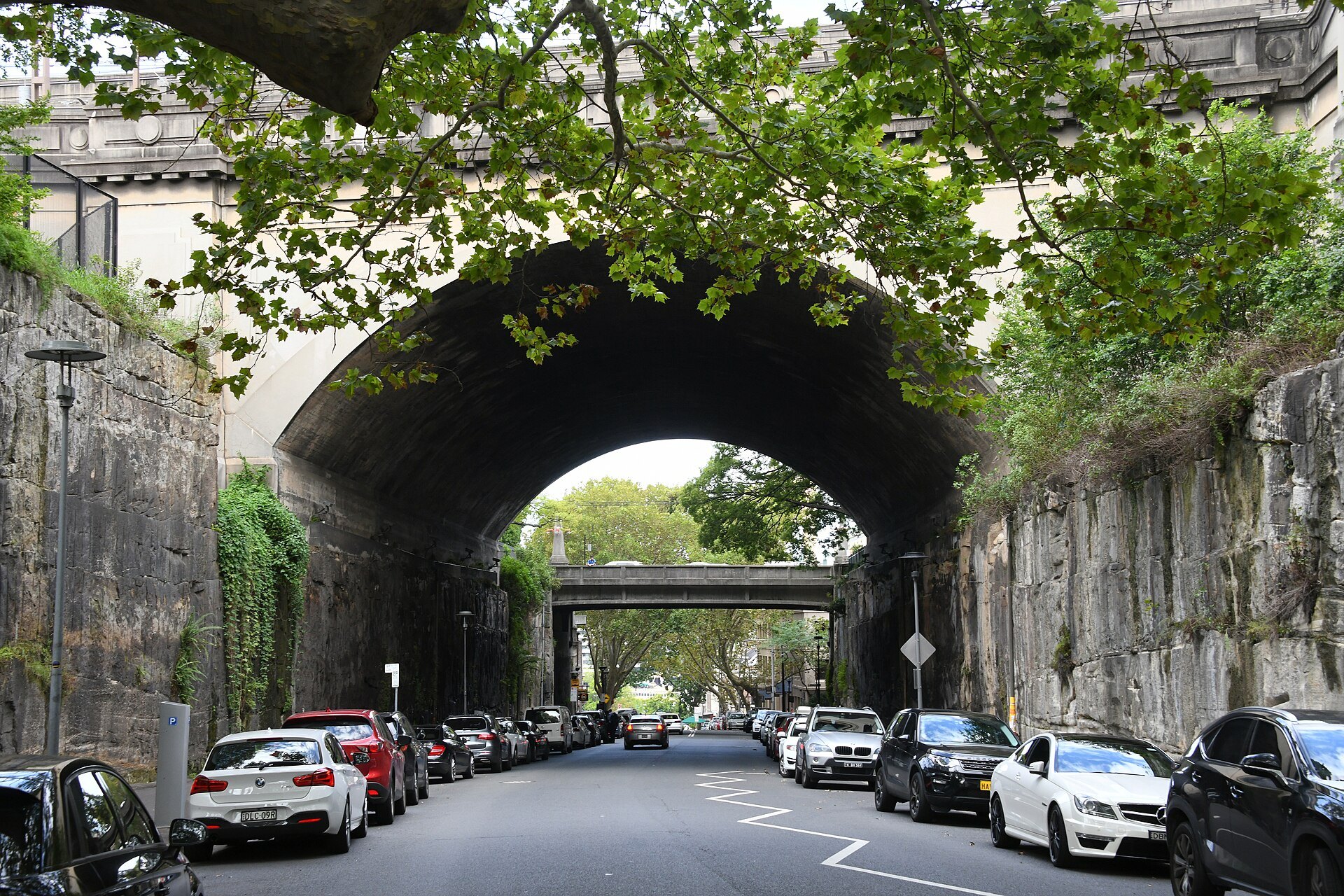
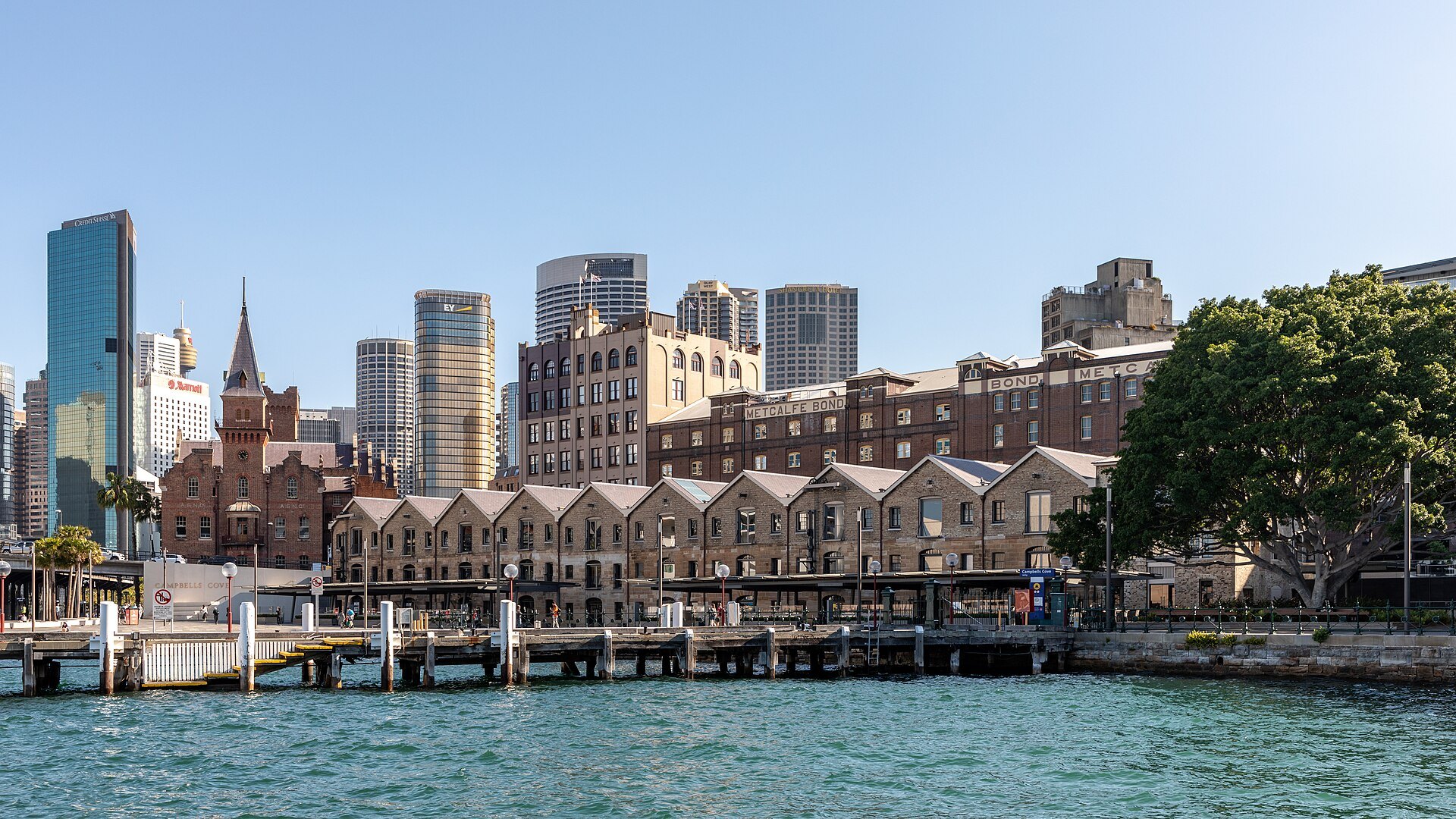
The sandstone shelf immediately west of Circular Quay, where the British camp of 1788 was pitched and where the city’s oldest surviving buildings still stand. Narrow lanes, cut stone, and the Argyle Cut — a road driven straight through the rock, begun by convicts with hand tools.
It was a slum, then a plague quarantine, then very nearly a motorway; the green bans of the 1970s are why it is still here.
What it costs
⭐ Free. It is a neighbourhood, and the lanes, the Cut and the waterfront are public.
The house museum on Susannah Place and the discovery museum both charge a small admission. The weekend markets are free to walk through.
When to go
Weekend mornings for the markets; any weekday morning if you would rather have the lanes to yourself. ⭐ Early evening the pubs fill and the sandstone goes orange.

Getting there
Two minutes north-west of Circular Quay station. The stairs to the bridge walkway are at the top of the hill on Cumberland Street.
,_The_Rocks,_Nurses_Walk_--_2019_--_3556.jpg)
If you only have an hour
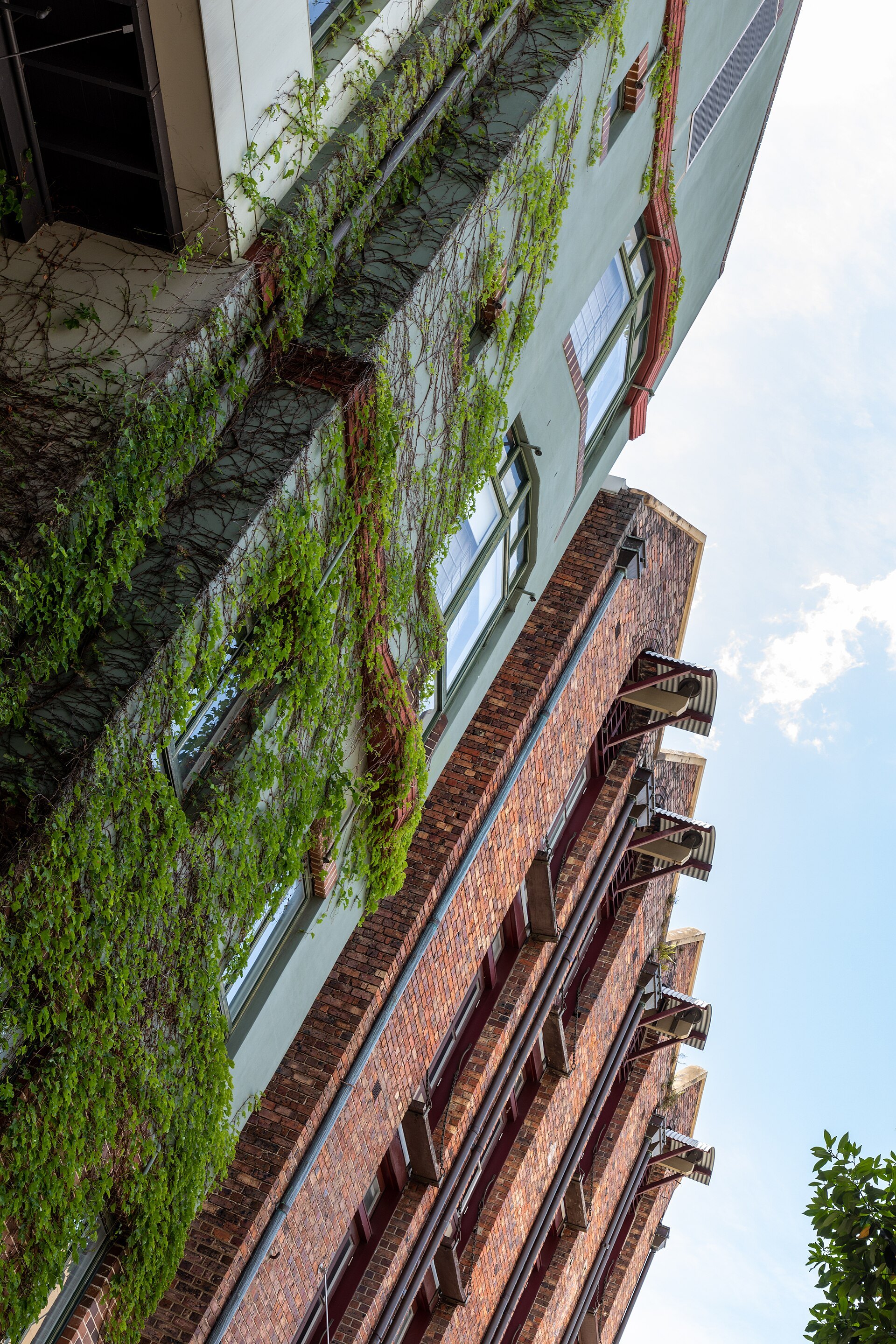
Up through the Argyle Cut, along Playfair and Nurses Walk, out at Campbells Cove for the bridge above you, and back along the water. Forty minutes and you have seen the oldest part of the city properly.
What people get wrong
⚠️ People walk the main street and conclude it is a tourist precinct. It partly is. The lanes one block uphill — the Cut, Nurses Walk, Susannah Place — are the actual thing and take five more minutes.
,_The_Rocks_--_2019_--_2133.jpg)
Nearby
Admissions, closing days, fares and caps as published and checked on 7 September 2026. These change — the Opal caps are adjusted most years — so confirm anything you are relying on before you travel. More sights, and how they fit together, in Landmarks & Sights.