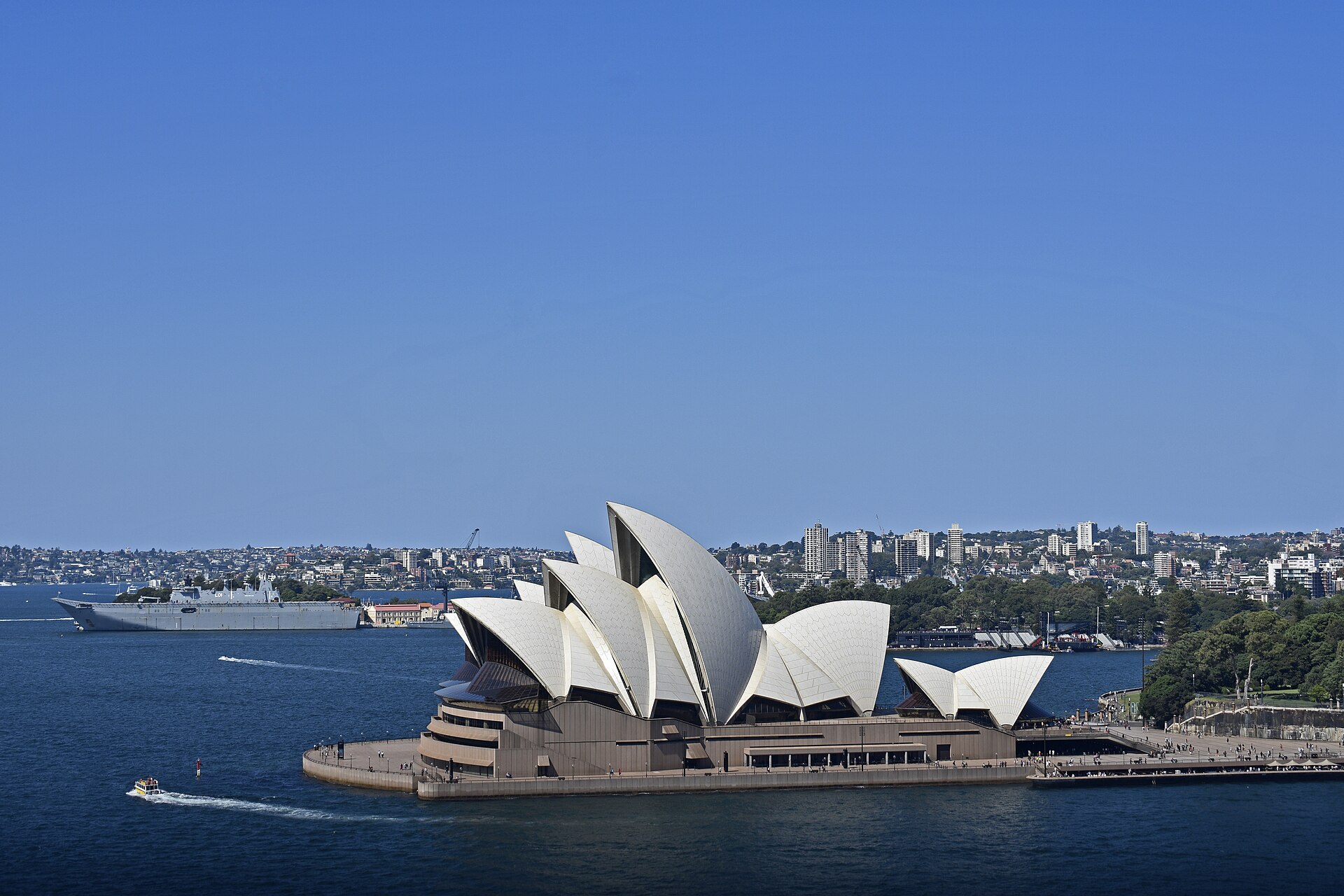
Several ferry operators work Sydney Harbor, and only one of them is on Opal. Transport for NSW runs the government Sydney Ferries fleet, and those boats tap on and off like any bus or train. A handful of private companies — Manly Fast Ferry, My Fast Ferry and Captain Cook Cruises among them — sell their own tickets, through their own apps, at their own prices. None of them touch the Opal system at all.
Who actually runs what
Sydney Ferries is part of the public network, under Transport for NSW. Its routes cover Manly, the Parramatta River, Neutral Bay and several inner-harbor loops. Every one of them charges a distance-based Opal fare, the same as a bus or a train. Those trips count towards the same daily, weekly and Sunday caps as the rest of the network.
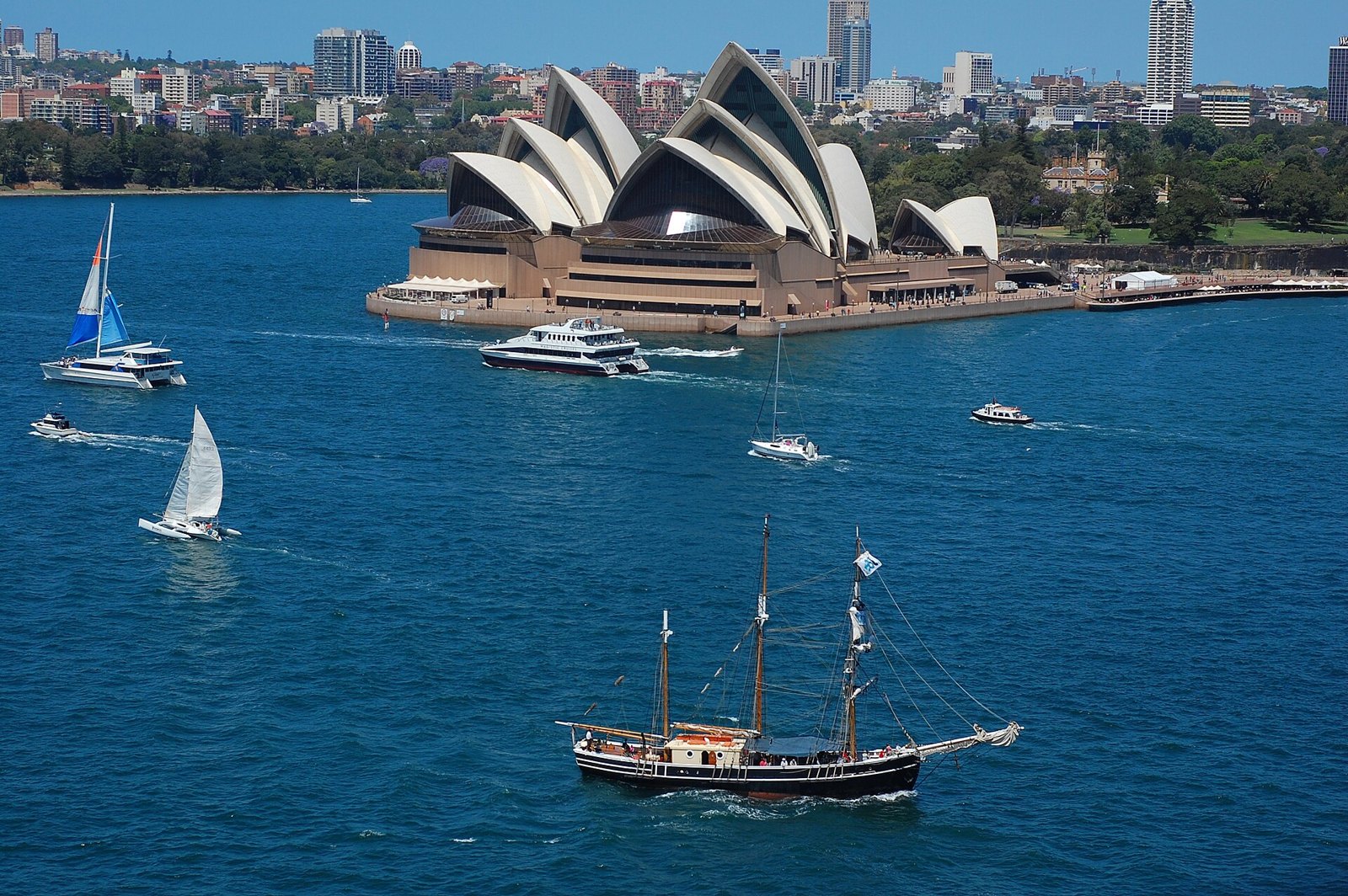
Private operators run faster boats, sometimes on the same water. Manly Fast Ferry and My Fast Ferry both cross to Manly in well under half the time of the public service. Captain Cook Cruises runs commuter and sightseeing services to Darling Harbor, Watsons Bay and elsewhere. Each is a separate business. Each sets its own fare. None of them accept an Opal card or a contactless bank card tapped the Opal way — you book through the operator’s own site, such as Manly Fast Ferry’s own booking page.
The one route where it’s a real choice: Circular Quay to Manly
Manly is the only crossing where the public and private options genuinely compete for the same passenger. Most other private routes simply run where Opal doesn’t. On this one run, a traveler is choosing between two boats on the same stretch of water, at different speeds and different prices.
| Factor | Opal ferry (Sydney Ferries) | Private fast ferry |
|---|---|---|
| Fare | Roughly half the private fare | Set by the operator; booked separately |
| Journey time | About 18 minutes longer | The fastest crossing available |
| Counts towards Opal cap | Yes | No |
| Payment | Opal card or contactless bank card | Operator’s own app or website |
The right choice depends on where someone sits in their week’s fare cycle, not just on the clock. Early in the week, before a weekly cap is anywhere close, paying more for a faster boat is a straightforward trade of money for time. Near the cap, the arithmetic flips.
Here’s why. Once a weekly Opal total reaches the cap, every further Opal trip that week is effectively free. A ferry crossing that would have cost very little, because it pushes the week past the cap, costs the private fare in full if taken on the fast boat instead — because that fare never touches the Opal system at all. Someone three trips from their cap loses the discount entirely by stepping onto the private ferry. The tap-off mechanism and the cap structure only ever reward trips made on the same card, on the public network.

Checking the actual fare
This site doesn’t quote live prices, for a simple reason: they move, and a stale fare is worse than none. The Opal fare for any Sydney Ferries route, and the current cap amounts, are published on Transport for NSW’s own Opal fares page. Private operators publish their own fares on their own booking sites, and those change independently of Opal’s. Check both before deciding, not after.
Displayed prices from both public and private operators already include tax, a point covered in more detail in why every displayed price in Sydney already includes tax.


The ferry is not a cruise
The Sydney Ferries boats are scheduled public transport, used by commuters going to work, not a tourism product. A trip on the ordinary Opal fare still crosses the harbor the Gadigal and broader Eora nation have always known as Warrane, past the same headlands any paid cruise passes. The view is not the upgrade; it’s included. Some of the private operators also sell genuine scenic cruises — a different product again, priced and timed for sightseeing rather than commuting, and worth treating as a separate decision from the Manly run entirely.
For a wider sense of what’s free in this city regardless of which boat you take, see eleven free things in Sydney, and the catch in each one and the best free view in Sydney, and how to walk to it.
Before you tap on
If a trip is anywhere near the edge of the Opal network, it’s worth checking first. The guide to where the Opal network ends, and why it matters covers the boundary cases on trains and buses as well as ferries. For the basic question of what to pay with at all, do you need an Opal card, or will a bank card do? answers it directly. Both sit in the Getting Around archive, alongside the rest of how this city’s transport actually fits together.


Access Sydney is an independent guide written from published, checkable sources. We have not visited the places described here and we do not publish personal recommendations or invented ‘local favorites’ — where something is singled out as notable, we say who says so. Opening times, fares, closures and prices change at short notice, so treat everything here as a starting point and confirm with the museum, operator or venue directly before building a day around it. We give no advice on visas, insurance, health or safety; use your own government’s official guidance for those.
Featured image: Photo by Ymblanter, source, CC BY-SA 4.0
