You can walk across the Sydney Harbor Bridge for nothing. The pedestrian footpath runs the full length of the eastern side of the bridge, is open every day of the year with no ticket and no booking, and takes most people somewhere between 20 and 30 minutes end to end. The two access points are a set of stairs on Cumberland Street in The Rocks, and a set of stairs and a path near Bradfield Park at Milsons Point. The catch is not cost — it’s that the walkway does close, on a predictable set of days, and almost nothing written about it says so clearly.
What the free version actually is
The Sydney Harbor Bridge carries two footpaths, but only the eastern one is open to the public; the western path is reserved for the cycleway. The eastern footpath sits above the eastbound traffic lanes and below the arch, with the walkway separated from the road by a railing rather than by any distance worth noting — this is a walk alongside live traffic, not a park path. It is managed by Transport for NSW as part of the bridge’s road reserve, and the agency publishes current access information and any planned works on its own site, which is worth checking before a visit rather than relying on any third-party description, including this one (Transport for NSW).
There is no admission fee and no gate attendant. What people pay for near the bridge is everything adjacent to the free walk: the Pylon Lookout inside the south-eastern pylon, and the BridgeClimb ascent to the top of the arch, both commercial operations with their own separate ticketing. The footpath itself is not part of either.
Getting onto it from each side
From the city side, the entrance is a flight of stairs on Cumberland Street in The Rocks, close to the Argyle Street/Cumberland Street corner. There is no lift at this entrance. A visitor using a wheelchair, a mobility scooter, or a pram therefore cannot use the Cumberland Street stairs and should instead cross from the Milsons Point side, where the approach from Bradfield Park and Alfred Street runs at street level without a staircase. This is the single most consequential practical fact about the walk that most guides leave out, and it determines which side of the harbor a visitor needs to start from, not just which side they end on.
From the north side, the walkway connects to Milsons Point railway station and the harbourside path through Bradfield Park, with North Sydney station a short walk further on. Both stations sit on the train network, so the approach from either end is covered by an ordinary tap-on, tap-off fare rather than anything bridge-specific — see our explainer on what happens if you forget to tap off for why that tap at the far end matters.

Closures a visitor should actually plan for
The walkway is pedestrian infrastructure on a working road, and it is closed to the public on several recurring occasions each year. None of these are announced far in advance for a casual visitor to plan around, but all of them are predictable in kind if not exact date:
- New Year’s Eve. The bridge is the centrepiece of Sydney’s fireworks display, and the footpath and surrounding streets are subject to a full pedestrian lockdown with controlled entry points and, in recent years, ticketed vantage areas for the best spots. The City of Sydney publishes the access arrangements and road closures for the night closer to the date (City of Sydney).
- Vivid Sydney. During the festival’s light-and-sound season, crowd numbers around the harbor foreshore and the bridge approaches are managed with one-way pedestrian flows and, on the busiest nights, temporary closures of specific access points to control congestion. Destination NSW publishes the current dates and any known crowd-management arrangements on the festival’s own site (Vivid Sydney).
- City2Surf and other road races or marathons. Several of Sydney’s largest fun runs and cycling events use roads that connect to or cross the bridge corridor, and the footpath or its approach streets can be closed or diverted for the morning of the event.
- Short-notice closures. Maintenance work, structural inspections, police operations and occasional protests have all closed the footpath at short notice. These aren’t predictable by season, only by the fact that they happen.

If you arrive and it’s shut
There is no posted schedule of closures to check in advance beyond Transport for NSW’s own alerts, so the realistic approach is: check the agency’s current notices before setting out if the date coincides with New Year’s Eve, Vivid Sydney, or a known race weekend, and have a second plan if you arrive on the day and find a barrier across the stairs. The most useful fallback is not a different route onto the bridge — there isn’t one — but a different free harbor view entirely. Our guide to the best free view in Sydney and how to walk to it covers a public lookout that isn’t affected by bridge-specific closures, and our roundup of eleven free things in Sydney, and the catch in each one lists other no-cost options for the same afternoon.
The paid alternatives next to it, and why you may not need them
Everything sold around the bridge exists because the walk itself is free. The Pylon Lookout charges admission for a museum-and-viewing-platform combination inside the masonry pylon; BridgeClimb sells a guided ascent to the top of the arch with its own safety briefing and equipment. Both are legitimate commercial products with their own operators and their own current pricing, published on their own sites — not figures this article will repeat, because they change and a stale number is worse than none. The footpath gives a lower vantage than either, at road level rather than arch height, but it is the same bridge, the same harbor, and it costs nothing.

Getting there and away
Both ends of the walk sit on the train network — Circular Quay and Wynyard are a short walk from the Cumberland Street entrance, and Milsons Point and North Sydney sit at the other end — so the trip there and back is covered by the same contactless tap that covers every other train, bus and ferry trip in the city. A visitor working out whether to buy a physical Opal card or just tap a bank card or phone can read our comparison at Opal card or bank card for Sydney transport, and anyone piecing together a longer day around the harbor should understand how the daily, weekly and Sunday fare caps work before they start tapping on different cards for different days. For the wider pattern of how the city’s free and paid attractions sit next to each other, our Landmarks & Sights archive and Getting Around archive cover the rest of it — and our About page explains how this site checks what it publishes before it goes up.

Access Sydney is an independent guide written from published, checkable sources. We have not visited the places described here and we do not publish personal recommendations or invented ‘local favorites’ — where something is singled out as notable, we say who says so. Opening times, fares, closures and prices change at short notice, so treat everything here as a starting point and confirm with the museum, operator or venue directly before building a day around it. We give no advice on visas, insurance, health or safety; use your own government’s official guidance for those.
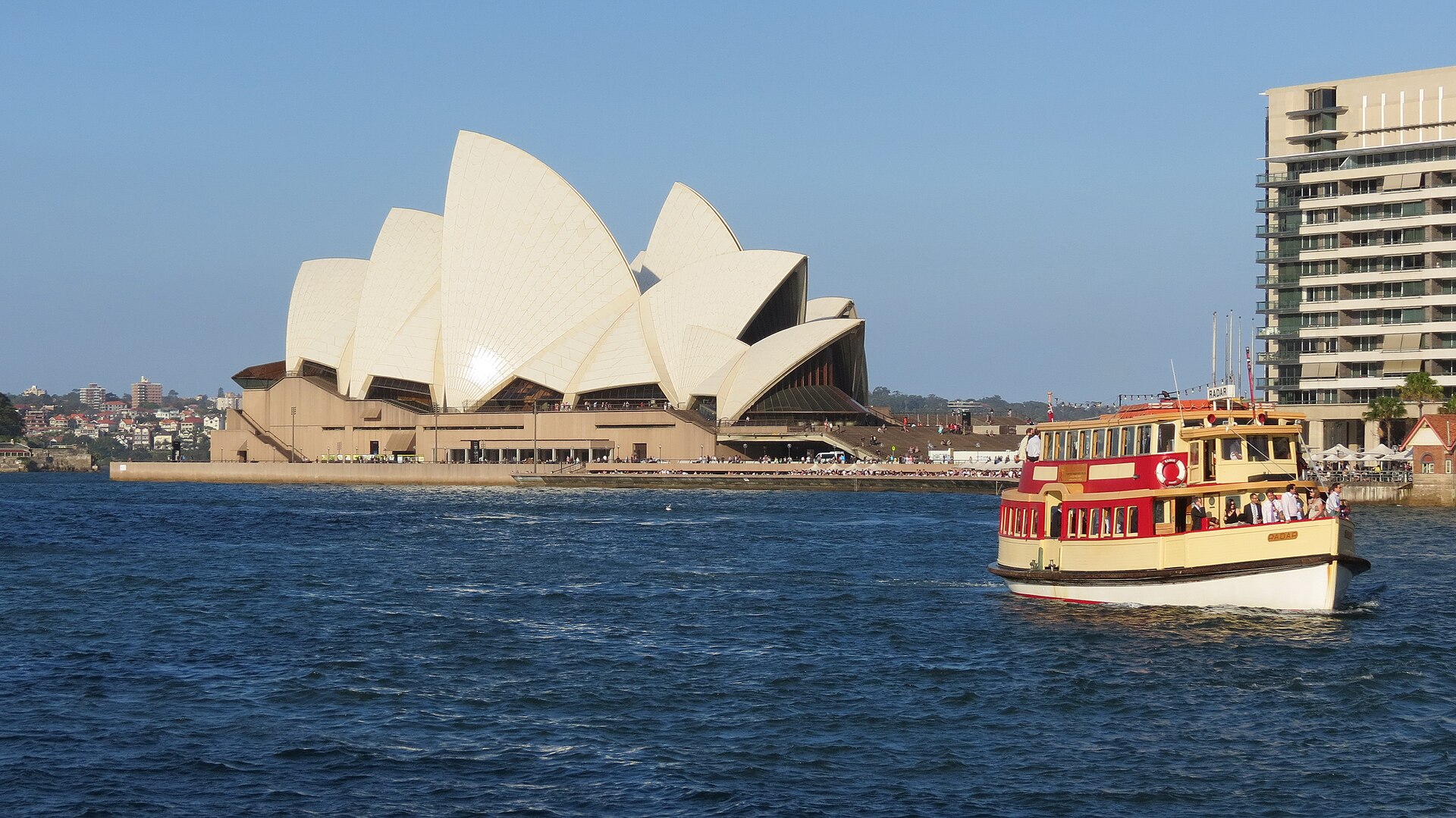
Featured image: Photo by John Robert McPherson, source, CC BY-SA 4.0
